
The Uprising opens today. In 1381 rebels freed John Ball from prison at Maidstone and chose Wat Tyler as leader here. What is left to see, and the free museum.
The Uprising, Paul Greengrass’s film about the Peasants’ Revolt of 1381, opens in UK cinemas today. Two of its central moments happened in Maidstone.
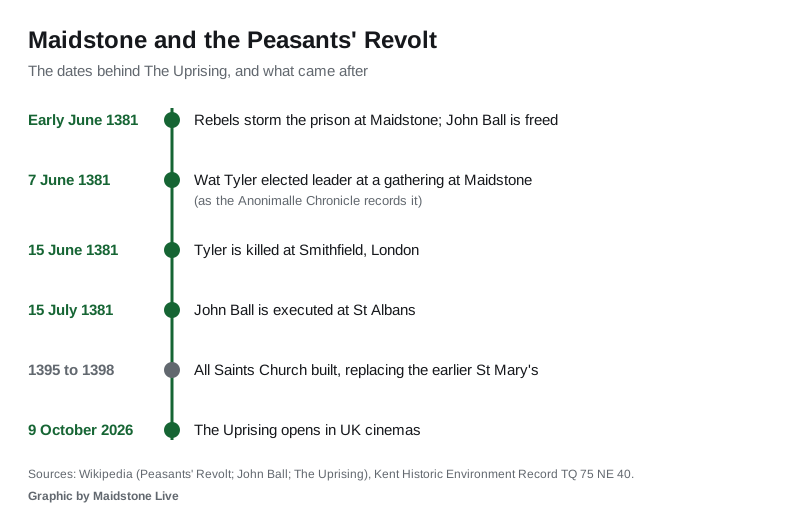
In June 1381 the rebels stormed the prison at Maidstone and freed the priest John Ball. A chronicle of the time also records that they chose Wat Tyler as their leader at a large gathering in the town.
Maidstone Borough Council has pointed filmgoers to the town’s history ahead of the release, and to the free Maidstone Museum.
The film
The film opens in the UK on 9 October, distributed by Entertainment Film Distributors. Its cast includes:
- Andrew Garfield as a ploughman
- Cosmo Jarvis as Wat Tyler
- Jamie Bell as John Ball
- Stephen Dillane as Simon Sudbury, the Archbishop of Canterbury
- Woody Norman as the young King Richard II
It was not filmed in Kent. The production shot in Bavaria and Franconia in Germany, including Nuremberg, and at Penzing Studios.
What happened in Maidstone
The revolt began over high taxes and inequality. Rebels from Kent and Essex marched on London in June 1381.
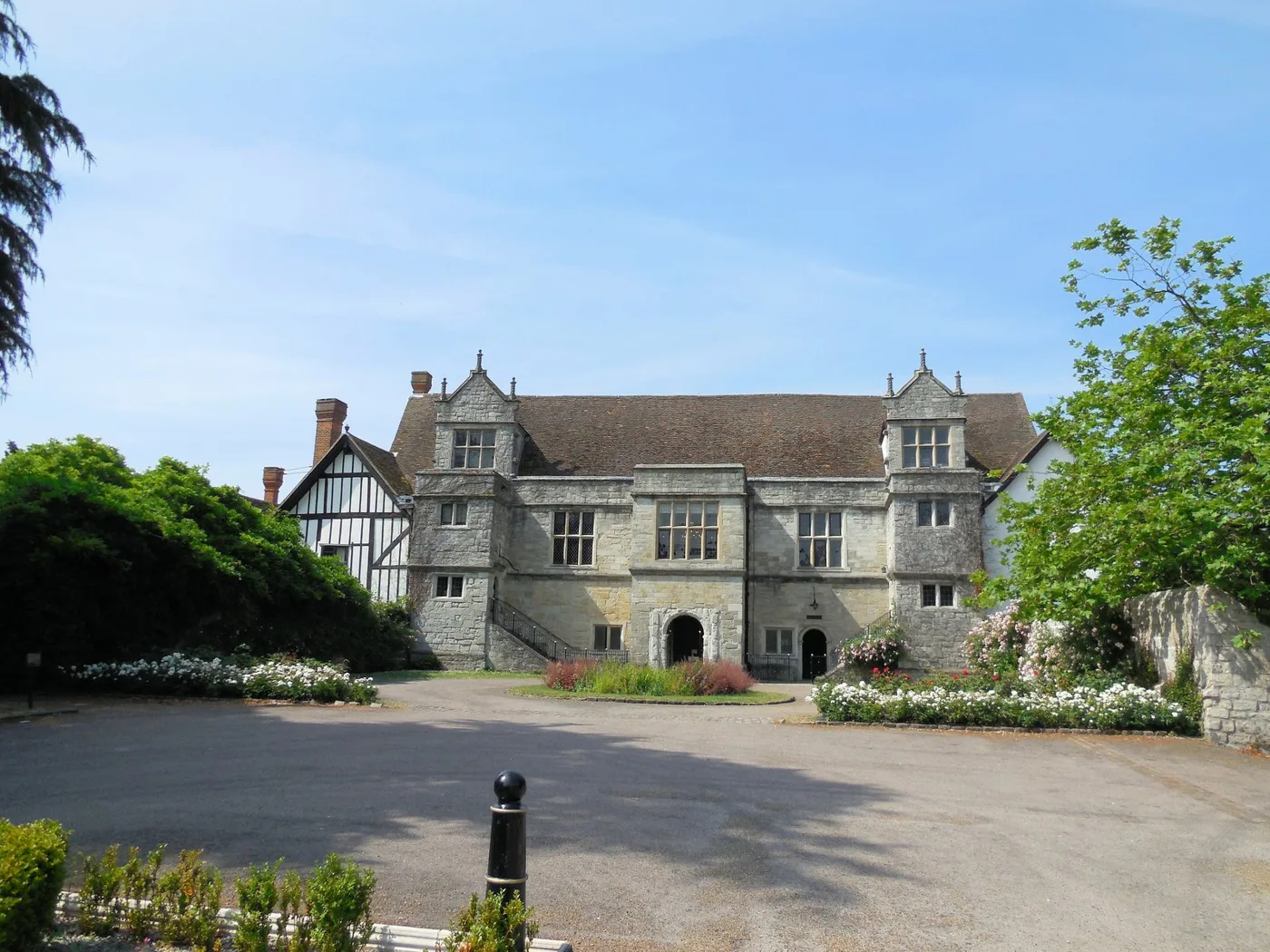
John Ball was imprisoned in Maidstone when the revolt broke out. The council says he was held at the Archbishop’s Palace. Shortly after the rising began, Kentish rebels released him from prison. He went on to preach to the rebels at Blackheath, on the text “When Adam delved and Eve span, who was then the gentleman?”
The Anonimalle Chronicle suggests Wat Tyler was elected the rebels’ leader at a large gathering at Maidstone on 7 June. The rebels also held courts in Maidstone and Rochester.
Little is known about Tyler’s earlier life. Chroniclers suggest he was from Essex and had served in France as an archer.
It ended quickly. Tyler was killed at Smithfield on 15 June. Ball was hanged, drawn and quartered at St Albans on 15 July, in front of the king.
What you can still see
The Archbishop’s Palace. The Grade I listed palace stands on the east bank of the Medway. The archbishops of Canterbury had a house on the site from 1207. But much of the building is later. It dates from the 14th and 16th centuries, and Archbishop Courtenay expanded it at the end of the 14th century. You can see where the story happened, but not every stone you see was there in 1381.
All Saints Church. The council’s release says All Saints stood in the town at the time of the uprising. The church you can visit today is a little younger. Kent’s Historic Environment Record says it was built in 1395 to 1398 as a collegiate church, on the site of the earlier church of St Mary. That older church, mentioned in Domesday Book, was the one standing in 1381. Courtenay demolished it in about 1395 to build All Saints.
Wat Tyler Way. The town-centre road is named after the rebel leader, the council notes.
Maidstone Museum. The museum cares for a miniature portrait of Wat Tyler. The council says its Lives in Our Landscape and Oldham galleries cover the area’s history.
Councillor Stephen Thompson, the council’s Cabinet Member for Healthier, Stronger Communities, said: “It is not often Hollywood tells such a story that unfolded on our doorstep. Our Archbishop’s Palace was the site of John Ball’s imprisonment, from which he was then released.”
What it means for you
- The museum is free. Maidstone Museum on St Faith’s Street is open Wednesday to Saturday, 10am to 4pm, with last admission at 3.30pm. In Kent school holidays it opens Monday to Saturday, same hours. Some exhibitions and events charge.
- Half term is coming. The museum’s Kent school holiday hours cover October half term. Our half-term guide lists what else is on.
- To see the film locally, the council points to the ODEON Luxe Maidstone listing for tickets.
- The palace and the church are within walking distance of the museum, by the Medway. Our things to do in Maidstone page has more on both.
Have your say