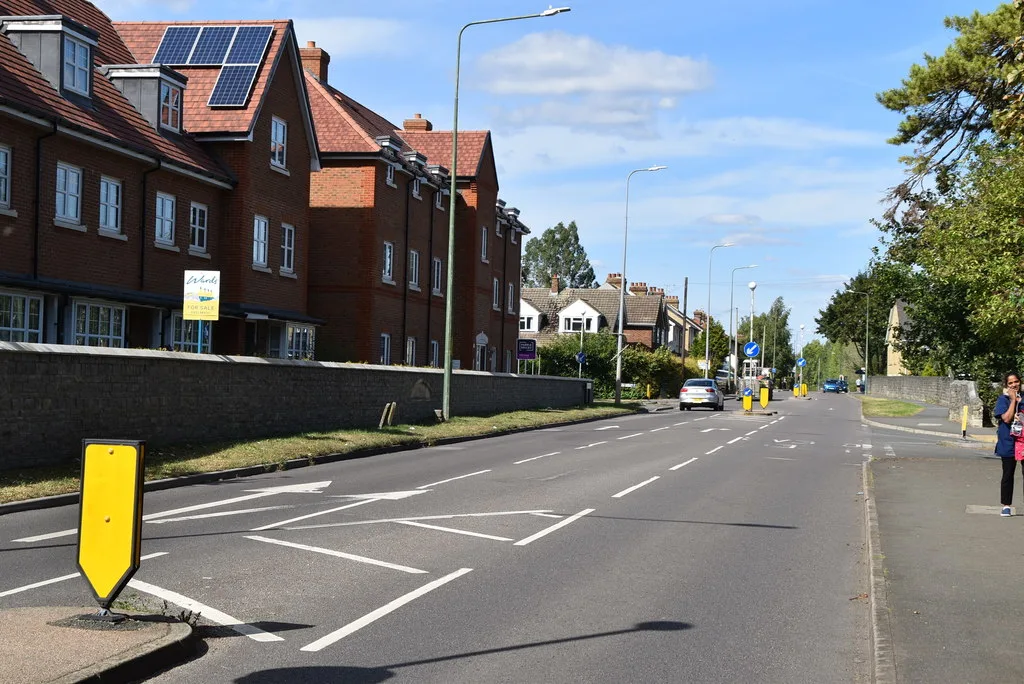
Acorn Groundwork, a Hermitage Lane contractor employing 10 people, went into liquidation on 21 August, five weeks after filing accounts showing £14,121 left.
A Maidstone groundworks contractor that had traded for 27 years has gone into liquidation.
Acorn Groundwork Limited, of The Granary, Hermitage Court, Hermitage Lane, appointed joint liquidators on 21 August 2026. The appointment was published in The London Gazette on 2 September.
The company’s last published accounts recorded an average of 10 people employed, including directors.
What the register records
This is a creditors’ voluntary liquidation, the route a company’s own members and creditors take when the company cannot pay its debts. The joint liquidators are Kirren Keegan and Paul Bailey of Bailey Ahmad Limited, trading as BABR, based at the Sussex Innovation Centre in Brighton. The Gazette notice records that the company’s registered office is being moved there from Maidstone.
Companies House shows the business was incorporated on 15 July 1999 as Acorn Building & Fencing Services Limited, and took the Acorn Groundwork name on 18 March 2003. Its registered trades are site preparation, other construction installation, and letting its own property.
When we checked the register on 7 September, Companies House still listed the company as active. The liquidation had not yet been recorded there, which is normal in the weeks after an appointment.
The accounts filed five weeks earlier
The timing is the striking part. The directors approved the company’s accounts on 16 July 2026 and filed them on 22 July. The liquidators were appointed on 21 August, five weeks later.
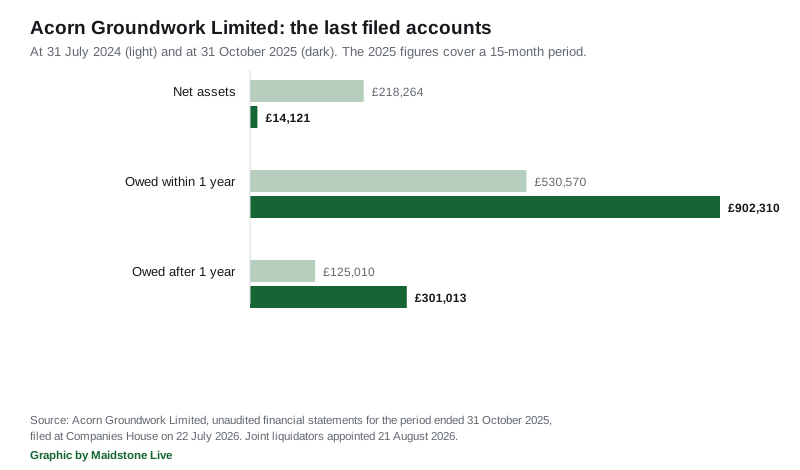
Those accounts cover a 15-month period to 31 October 2025. The company had extended its year end from 31 July, and the accounts state plainly that the comparative figures “are not entirely comparable” as a result.
Read with that caveat, they show a company running down:
- Net assets fell to £14,121, from £218,264 at 31 July 2024.
- Money owed within one year rose to £902,310, from £530,570.
- Money owed after more than one year rose to £301,013, from £125,010.
- Cash at bank was £6,980.
- Trade creditors stood at £344,515, up from £229,049.
- Unpaid tax and national insurance stood at £87,747, up from £22,162.
Stocks were carried at £1,069,464, up from £754,377. For a groundworks contractor that figure covers work in progress, so it is not cash the company could reach.
The accounts also record that £139,581 owed to NatWest was secured by a fixed and floating charge over the company’s assets, up from £95,000 the year before. That charge is a mortgage debenture registered in October 2000 and still outstanding on the Companies House charges register. A secured lender ranks ahead of ordinary trade creditors when a liquidator distributes what is left.
One figure is not public. The company was small enough to claim audit exemption, and the directors chose not to file a profit and loss account. So there is no published turnover, and no published profit or loss for the period.
What it means for you
If Acorn Groundwork owed you money, or was booked to carry out work at your property, the liquidators are the people to contact. BABR gives 0208 662 6070 and creditors@babr.co.uk in the Gazette notice.
A few practical points apply to any liquidation:
- Claims go to the liquidator, not to the company or its directors.
- Deposits paid for work not yet done rank as unsecured claims, behind secured lenders such as the bank.
- If you paid by credit card and the amount was over £100, section 75 of the Consumer Credit Act may give you a claim against the card provider instead. That route is often faster than a liquidation.
- If your job needed building control sign-off, the work still needs signing off. Our guide to Maidstone planning applications explains how the borough’s register works and where to check what has been approved at an address.
Nothing in the public record suggests wrongdoing by anyone connected with the company. A creditors’ voluntary liquidation is a formal insolvency procedure, not a finding of fault, and the liquidators’ report to creditors will follow in the usual way.
Two things are not yet on the record: how many of the 10 jobs have gone, and whether any contracts have been picked up by another firm. Neither appears in the Gazette notice or at Companies House. We will report both when the liquidators file their report to creditors.
Have your say